



Abstract: In the firing process of advanced ceramics such as SiSiC (pressureless sintered silicon carbide) and Al₂O₃ (alumina), the performance of kiln furniture—specifically the supporting and separating components—directly determines product quality and production efficiency. Ni-Cr (Nickel-Chromium) alloy mesh, with its exceptional high-temperature strength, oxidation resistance, and thermal shock resistance, has become an ideal choice for both electric and gas-fired furnaces. This article provides an in-depth analysis of Ni-Cr alloy mesh grades, wire diameters, and opening designs suitable for ceramic kilns. Through a horizontal comparison, it reveals the advantages and disadvantages of each grade, offering a scientific basis for selection for both manufacturers and end-users.
1. Core Value of Nichrome Wire Mesh in Ceramic Kilns
The sintering temperature of SiSiC and Al₂O₃ ceramics typically ranges from 1100°C to 1250°C, often conducted in an oxidizing or mildly reducing atmosphere. Under such extreme conditions, the support mesh must not only bear the gravity load of the ceramic green bodies but also endure frequent thermal cycles (thermal shock). Compared to traditional Fe-Cr-Al mesh or ceramic plates, Ni-Cr alloy mesh offers three irreplaceable advantages:
Superior Thermal Shock Resistance: The excellent plasticity of Ni-Cr alloys prevents cracking during rapid heating and cooling, making it especially suitable for intermittent kilns.
No High-Temperature Embrittlement: It maintains good toughness even after long-term service, facilitating easy repair and replacement.
Non-Contaminating Contact: The dense Cr₂O₃ oxide layer formed at high temperatures is stable and does not react chemically with SiSiC or Al₂O₃, preventing surface adhesion or discoloration of ceramic products.
2. Detailed Overview of Common Nichrome Wire Mesh Grades
Based on the specific conditions of ceramic kilns, the following four grades are most commonly used in the market. As a professional manufacturer, we recommend that customers select the appropriate grade based on their operating temperature range, atmosphere environment, and service life requirements.
2.1 Cr20Ni80 (Classic General-Purpose Grade)
Max. Operating Temperature: 1200°C
Chemical Composition: Ni ≈ 80%, Cr ≈ 20%
Application Positioning: The preferred solution for most Al₂O₃ ceramic and some SiSiC sintering furnaces.
Performance Characteristics: This grade maintains relatively high creep resistance at 1200°C, preventing mesh sagging. Its stable austenitic structure is non-magnetic, and its excellent workability makes it ideal for weaving both high-density micron mesh and heavy plain weave mesh.
2.2 Cr30Ni70 (High-Temperature Reinforced Grade)
Max. Operating Temperature: 1250°C
Chemical Composition: Ni ≈ 70%, Cr ≈ 30%
Application Positioning: An upgraded solution for ultra-high temperature SiSiC sintering furnaces or local hot spots within the kiln.
Performance Characteristics: By increasing the chromium content to 30%, the density and adhesion of the oxide layer are significantly enhanced. Compared to Cr20Ni80, its service life at the extreme temperature of 1250°C can be extended by 30-50%. It also offers better resistance to sulfur and carbon-containing atmospheres.
2.3 Cr20Ni30 (Economy Grade)
Max. Operating Temperature: 1050°C
Chemical Composition: Ni ≈ 30%, Cr ≈ 20%, Fe balance
Application Positioning: Low-temperature zones (preheating, cooling) or non-critical support components.
Performance Characteristics: The reduced nickel content significantly lowers the cost, but its high-temperature strength drops sharply above 1100°C. Important Note: It is strictly prohibited for use in the main firing zone of SiSiC kilns (>1100°C), as it is highly prone to premature collapse.
3. Engineering Design of Wire Diameter and Opening
The optimal Ni-Cr alloy mesh is not necessarily the finest mesh count, but rather one that balances load-bearing capacity, permeability, and thermal radiation:
Wire Diameter Selection (0.15mm – 3.0mm):
Light-Duty Support Mesh (0.3mm – 0.6mm): For electronic ceramics and small-sized Al₂O₃ substrates, requiring fast thermal response and minimal heat absorption.
Medium-Duty Support Mesh (0.8mm – 1.5mm): For standard SiSiC rollers and seal ring support, balancing strength and lightweight design.
Heavy-Duty Tray Mesh (2.0mm – 3.0mm): For large ceramic posts and multi-layer stacking, designed to resist high-temperature creep.
Open Area and Mesh Count:
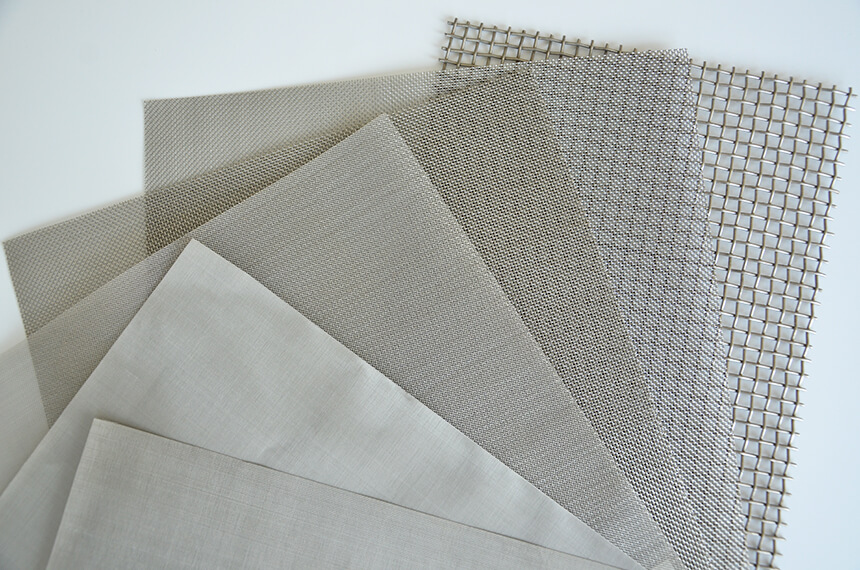
High Open Area (60%-80%): Achieved with coarse wire and large openings (e.g., 2 mesh – 4 mesh). This facilitates thermal radiation penetration and improves temperature uniformity, suitable for thick-walled ceramics.
Medium Open Area (30%-50%): Achieved with 8 mesh to 20 mesh plain weave. This prevents small green bodies from falling through while providing adequate support surface area.
4. Horizontal Comparison and Advantage/Disadvantage Analysis of Grades
To assist customers in making informed decisions, a comparison of key indicators for the core grades is presented below:
| Parameter / Grade | Cr20Ni80 | Cr30Ni70 | Cr20Ni30 | Conclusion & Suggestion |
| Max. Temperature | ★★★★☆ (1200°C) | ★★★★★ (1250°C) | ★★☆☆☆ (1050°C) | Cr30Ni70 is suitable for over-temperature conditions. |
| High-Temp Strength | ★★★★☆ (Excellent) | ★★★★★ (Superior) | ★★☆☆☆ (Poor) | High-Ni grades are mandatory for the main firing zone. |
| Oxidation Resistance | ★★★★☆ | ★★★★★ | ★★★☆☆ | Cr30Ni70 is recommended for kiln life >1 year. |
| Sulfur/Carbon Resistance | ★★☆☆☆ | ★★★★☆ | ★★☆☆☆ | Avoid Cr20Ni80 for sulfur-containing gas kilns. |
| Workability | ★★★★★ | ★★★★☆ | ★★★★★ | Cr20Ni80 is easiest for custom-shaped meshes. |
| Raw Material Cost | High | Very High | Low | Cr20Ni30 is only for auxiliary zones. |
Summary of Advantages:
Cr20Ni80 is the most balanced “all-rounder,” particularly suitable for electric-heated air furnaces operating below 1200°C.
Cr30Ni70 offers the advantages of long service life and resistance to extreme temperatures. Although the initial cost is higher, it reduces downtime for mesh replacement, resulting in better overall economics.
Cr20Ni30 offers only a lower price; its weakness is poor high-temperature strength. It should be used with caution in the main furnace chamber.
Critical Warnings:
All Ni-Cr alloys are susceptible to “sulfidation corrosion” in sulfur-containing atmospheres (e.g., coal or heavy oil firing), leading to rapid failure. In such cases, Fe-Cr-Al mesh or heat-resistant steel must be used.
Above 1250°C, even Cr30Ni70 will soften. It must be replaced with molybdenum mesh or ceramic fiber boards.
5. Selection Recommendations from a Professional Manufacturer
As a professional manufacturer of Ni-Cr alloy wire mesh, we advise end-users to follow these three principles:
Temperature Matching Principle: For actual operating temperatures below 1150°C, Cr20Ni80 offers the best cost-performance ratio; between 1150°C and 1200°C, Cr30Ni70 with a slightly larger wire diameter is necessary; above 1200°C, please consult our technical department for custom alloy solutions.
Atmosphere Sensitivity Principle: For electric furnaces (clean air), Cr20Ni80 is the first choice; for gas-fired furnaces (trace sulfur), Cr30Ni70 is preferred.
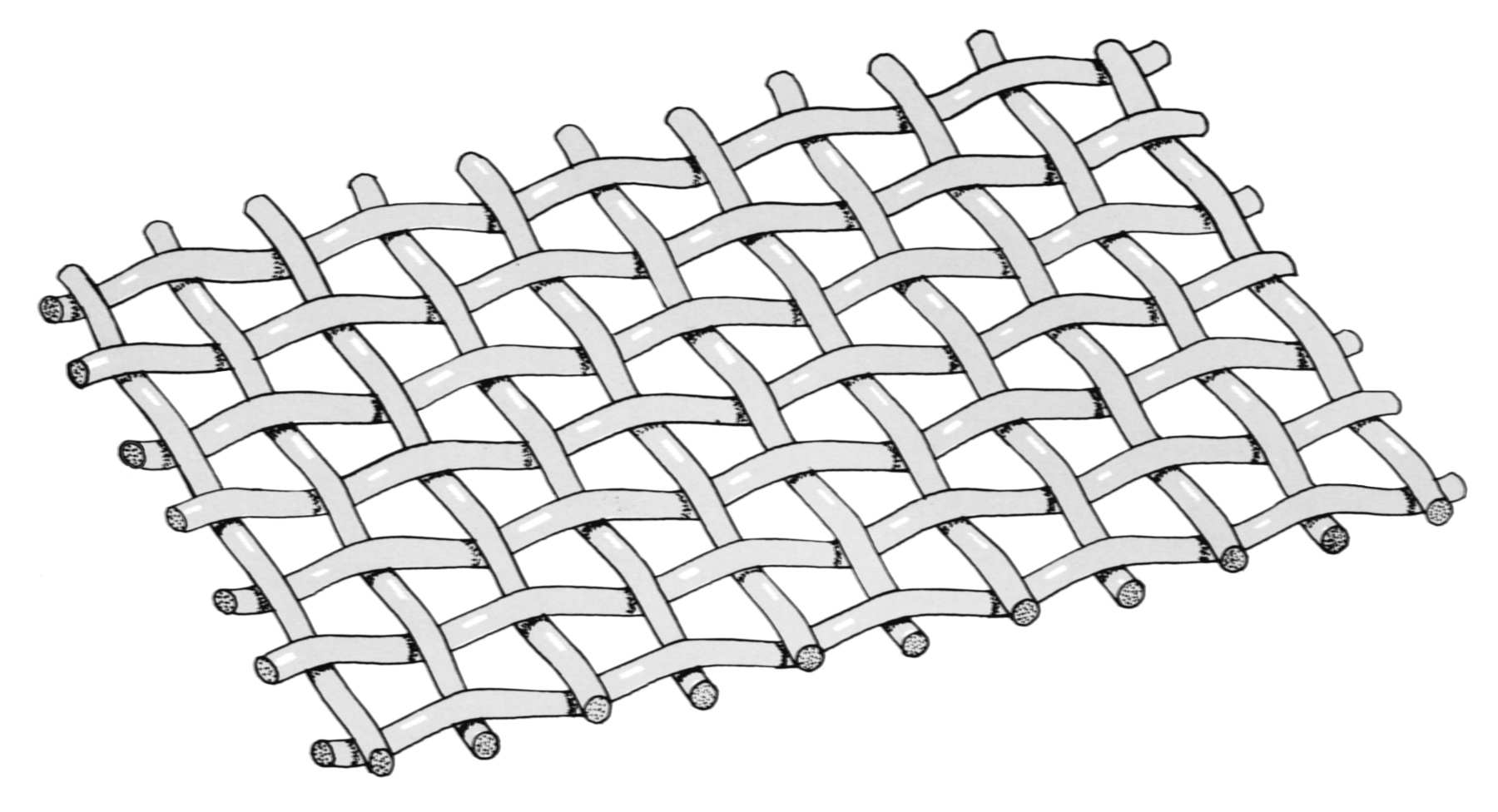
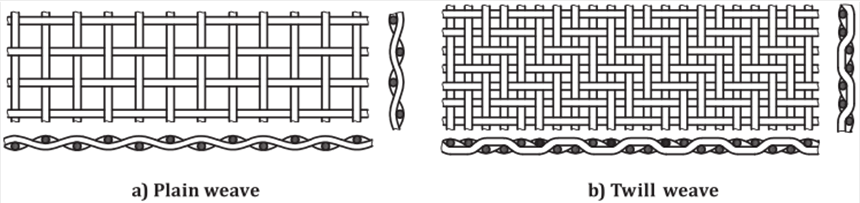
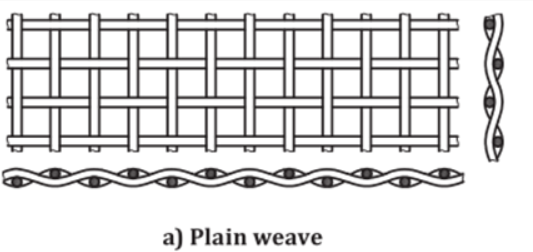
Structural Design Principle: Plain weave is recommended to ensure flatness. For wide-span mesh structures, reinforcing ribs or a double-layer composite mesh structure should be considered.
Conclusion:
The application of Ni-Cr alloy mesh in SiSiC and Al₂O₃ ceramic kilns is a balance of materials science and engineering design. By rationally selecting grades such as Cr20Ni80 and Cr30Ni70, combined with precise wire diameters and open area ratios, manufacturers can not only significantly improve the firing yield of ceramic products but also reduce annual consumable costs by over 30%. As a professional manufacturer, we offer full-process services from selection consulting to custom weaving, ensuring the perfect sintering of every ceramic batch.
Get Quote
We would like to hear from you. Please get in touch with us by filling out the contact form below, we will get back to you shortly.

Comments are closed.