



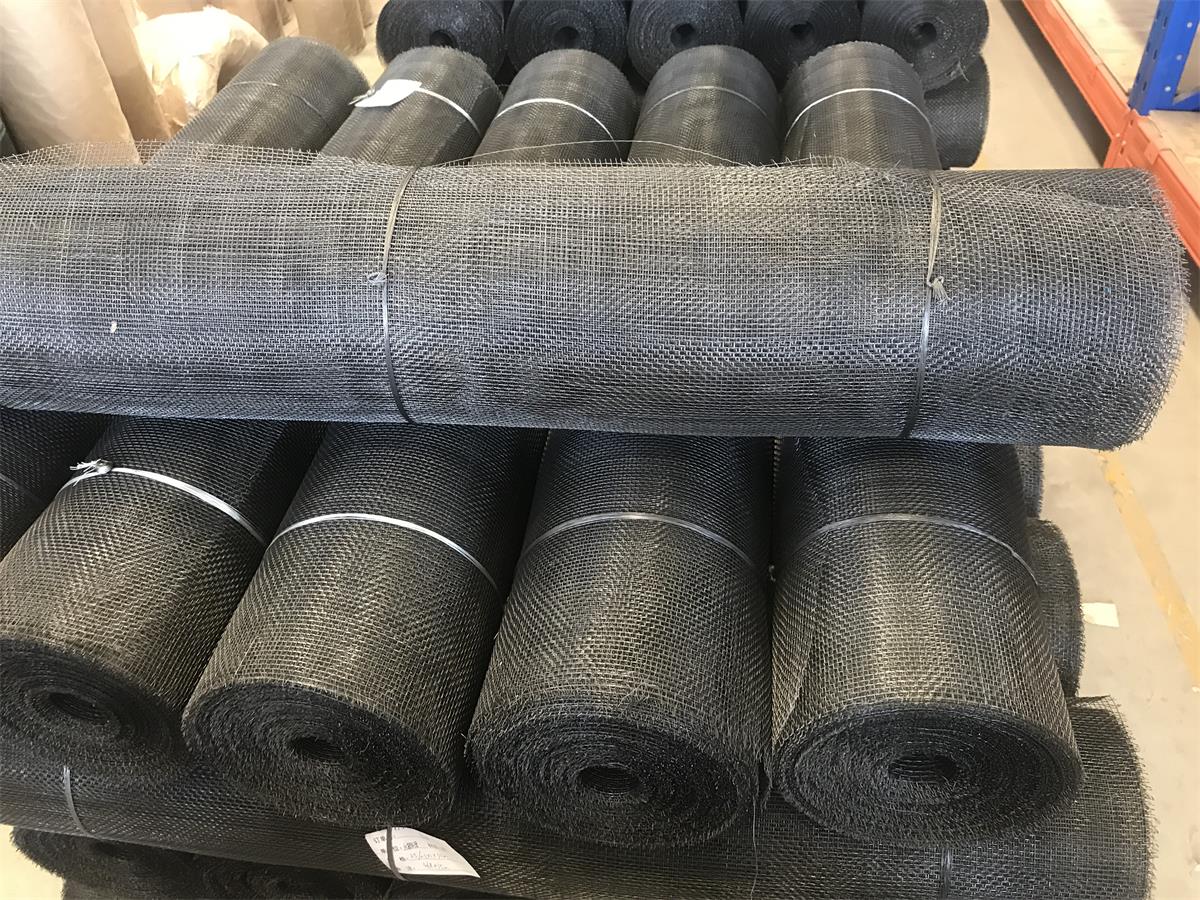
Metal woven mesh is a foundational material used extensively in industrial processing, architectural design, filtration systems, and safety applications. By interlacing metal wires in precise, repeatable patterns, woven mesh delivers a balance of strength, flexibility, and dimensional accuracy that few other materials can match. Among the many available types, stainless steel crimped wire mesh and other forms of metal mesh are especially valued for their durability, load-bearing capacity, and adaptability to harsh environments.
This article offers a comprehensive overview of metal woven mesh, covering weaving structures, material options, quality standards, production organization, and real-world applications, with a focus on export-grade requirements.
What Is Metal Woven Mesh?
Metal woven mesh is produced by weaving individual metal wires over and under one another on specialized industrial looms. Unlike welded mesh, which is joined at fixed intersections, woven mesh relies on mechanical interlocking, allowing it to better absorb vibration, thermal expansion, and dynamic loads.
Key advantages of metal woven mesh include:
- Precise control of aperture size
- High uniformity across large surface areas
- Excellent mechanical stability under stress
- Broad material and weave pattern flexibility
These characteristics make woven mesh suitable for both heavy-duty industrial screening and high-precision filtration.
Main Weaving Structures
Different weaving methods are selected based on application demands, wire diameter, and opening accuracy.
Plain Weave
Plain weave is the simplest and most widely used structure. Each weft wire alternates over and under each warp wire, creating a balanced and stable mesh. It is commonly used in general filtration, sieving, and protective screens.
Twill Weave
In a twill weave, wires pass over two or more adjacent wires, forming a diagonal pattern. This structure supports heavier wire diameters and higher mesh counts, making it ideal for applications requiring both strength and finer openings.
Dutch Weave and Reverse Dutch Weave
Dutch weave uses thicker warp wires and finer weft wires to create extremely small filtration openings. Reverse Dutch weave flips this configuration and is often applied in high-pressure filtration, extrusion filtration, and polymer processing.
Crimped Weave
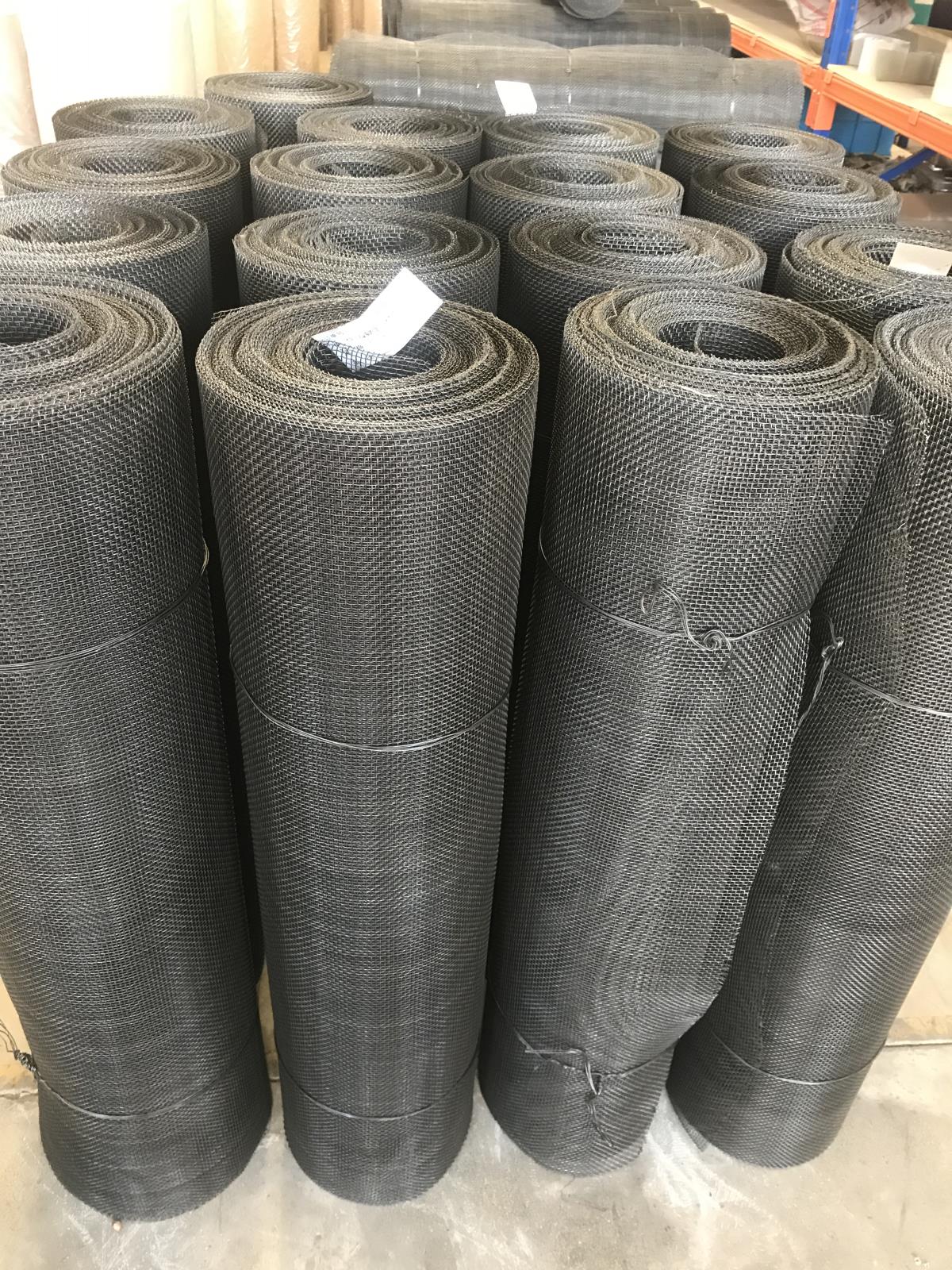
Stainless steel crimped wire mesh is manufactured by pre-crimping wires before weaving. The crimping locks wires into position, providing exceptional rigidity and load-bearing capacity. This structure is widely used for vibrating screens, mining, quarrying, aggregate separation, and heavy industrial screening.
Materials Used in Metal Woven Mesh
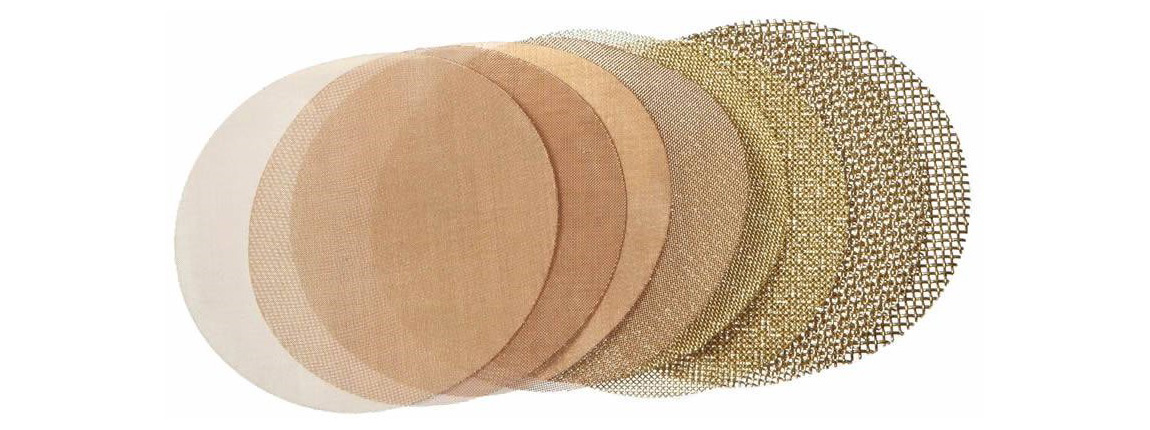
Material selection directly affects corrosion resistance, mechanical strength, temperature tolerance, and service life. High-quality metal mesh can be produced in a wide range of materials, including:
- Stainless steel (304, 316, 316L, duplex, super duplex)
- Ordinary carbon steel and galvanized steel
- Aluminum
- Copper, brass, and bronze
- Nickel and nickel alloys
- Silver wire
- Titanium wire
- Tungsten and other high-performance alloys
Among these, stainless steel remains the most popular option due to its excellent resistance to corrosion, oxidation, and chemical exposure. Stainless steel crimped wire mesh, in particular, is well suited for environments involving vibration, abrasion, moisture, or temperature fluctuations.
Quality Standards and Compliance
For international projects, adherence to recognized standards is essential. Export-grade woven mesh is commonly produced in line with ASTM E2016, which defines technical requirements for industrial wire cloth, including wire diameter tolerances, mesh count accuracy, and material consistency.
In addition, ISO 9001:2015 quality management certification ensures that production processes, inspection procedures, and documentation follow a structured and auditable system. These standards are especially important for customers in industries such as:
- Mining and mineral processing
- Chemical and petrochemical plants
- Oil and gas operations
- Food, beverage, and pharmaceutical filtration
- Engineering and architectural projects
Full product traceability further enhances reliability by allowing each batch of metal mesh to be tracked from raw material to final delivery.
Production Organization and Technical Expertise
Modern woven mesh production is typically divided into multiple workshops, each responsible for different specifications or product ranges. This separation improves efficiency and ensures tighter quality control for varying wire diameters, mesh counts, and weave types.
Experienced management is critical. Skilled weaving and welding professionals with decades of hands-on experience are essential for handling complex or customized mesh requirements, especially for fine filtration mesh or heavy stainless steel crimped wire mesh used in industrial screening equipment.
Applications of Metal Woven Mesh
Thanks to its structural versatility and material diversity, metal mesh is used across a wide range of sectors:
Industrial Screening
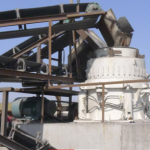
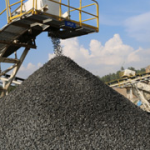
Crimped wire mesh is extensively used in mining, quarrying, coal processing, metallurgy, and aggregate classification.
Filtration and Separation
Plain weave, twill weave, and Dutch weave mesh are applied in liquid and gas filtration, pressure filters, strainers, and filter elements.
Architectural and Decorative Uses
Metal woven mesh is increasingly specified for façades, ceilings, partitions, infill panels, and safety barriers, offering both durability and modern aesthetics.
Safety and Protection
Woven mesh is used for machine guards, security screens, ventilation protection, and industrial enclosures.
Service Responsiveness and Global Supply
In international trade, product quality must be matched by professional service. Timely technical support, clear communication, and rapid response to inquiries are essential for smooth project execution. A structured customer service system that commits to responding within 24 hours significantly improves cooperation efficiency and long-term trust.
Conclusion
Metal woven mesh continues to play a vital role in modern industry and architecture. Whether the requirement is heavy-duty screening, precision filtration, or structural and decorative applications, choosing the right weave type, material, and quality standard is critical. Stainless steel crimped wire mesh stands out for strength and durability, while other forms of metal mesh offer tailored solutions for specialized technical needs.
With ISO 9001:2015 quality management, compliance with ASTM E2016 standards, full product traceability, diversified material options, and experienced technical teams, Hightop Metal Mesh provides dependable woven mesh solutions for global markets. For projects that demand consistent quality, performance reliability, and professional support, Hightop Metal Mesh woven wire mesh is a trusted choice.
Get Quote
We would like to hear from you. Please get in touch with us by filling out the contact form below, we will get back to you shortly.

Comments are closed.