



How a Batch of 316L Stainless Steel Wire Mesh Helped a US Filtration Customer Reduce Complaints by 70%
Customer Background: An industrial filtration equipment manufacturer in the US Midwest. End use: return line filtration in hydraulic systems.
Product: 316L stainless steel woven mesh, 120 mesh, wire diameter 0.07mm, opening 0.14mm.
Part 1: The Chronic Problem When the Customer Found Us
In May 2025, Sarah, a purchasing manager based in the US Midwest, contacted us through our company website. Her company manufactures return line filters for hydraulic equipment as an OEM supplier. They had been working with another Chinese supplier for over a year.
On the surface, everything seemed fine. Pricing was acceptable. Delivery was generally on time. The relationship appeared to be working.
But beneath the surface, Sarah had a growing problem she could no longer tolerate: customer complaints were rising month after month.
Three specific issues kept recurring batch after batch:
Issue 1 – Locally oversized openings
Some filters failed to meet filtration accuracy requirements. Contaminants passed through the oversized mesh openings and damaged downstream hydraulic valves. Her customers were frustrated, and she was tired of explaining the same problem repeatedly.
Issue 2 – Inconsistent wire diameter between batches
One batch would arrive with 0.068mm wire. The next batch – supposedly the same specification – would have 0.072mm wire. This seemingly small difference changed the open area and flow characteristics of the filter. For a precision hydraulic system, that inconsistency was unacceptable.
Issue 3 – No traceability records
When a problem batch arrived at Sarah’s facility, no one could tell which loom produced it, which shift ran it, or when it was made. Her QA team had no choice but to 100% inspect every single roll. This was time-consuming, labor-intensive, and expensive.
Her existing supplier’s response to every issue was always the same: “We will pay attention next batch.”
But the next batch brought the same problems. Nothing changed.
Sarah wrote in one of her emails to us:
“I can’t keep explaining to my customers why their filters failed. I need a supplier who can prove every batch is the same. I need data. I need traceability.”
That message told us everything. This was not about price. This was about trust, accountability, and reliability.
Part 2: The First Thing We Did – Not a Quote, But a Diagnosis
When we received the problem samples from Sarah, we did not send a price sheet. Most suppliers would have done that. But sending a price before understanding the problem is like giving a prescription before a diagnosis.
Instead, our technical team – including all three of our workshop managers, each with approximately 20 years of experience – performed a complete diagnosis of the samples.
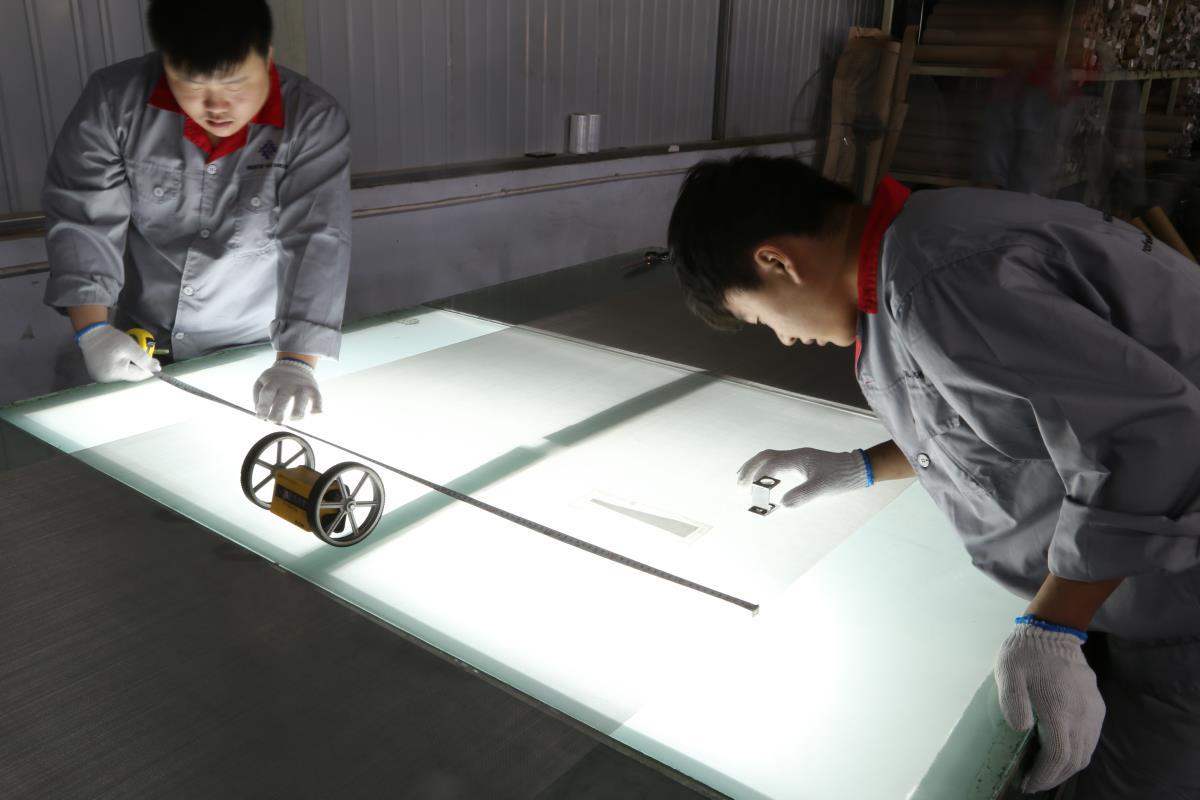
Step 1 – Microscope inspection
We selected 15 random positions on the 120-mesh sample and measured the openings under a calibrated microscope. The results were clear: opening variation ranged from 0.12mm to 0.17mm – far exceeding the normal variation of ±0.01mm for this specification.
More importantly, the larger openings were not randomly distributed. They were concentrated on one side of the mesh. This is a classic sign of uneven loom tension – a problem that should have been caught during production but was not.
Step 2 – Wire diameter measurement
We measured the wire diameter at different positions across the sample using a precision micrometer. The variation was 0.005mm between the thinnest and thickest spots.
While this sounds small, for a precision 120-mesh filter, a 0.005mm difference changes the open area by approximately 5-7%. That directly affects flow rate and filtration efficiency.
Step 3 – Root cause analysis
Based on our production experience, the team concluded that the root causes were clear:
The supplier’s looms were not calibrated regularly
There were no meaningful in-process control records
The supplier could “make” 120-mesh occasionally, but could not “consistently make it” batch after batch
What we sent Sarah
Instead of a price sheet, we sent Sarah a diagnostic report that included:
Complete test data from her problem samples
A clear root cause analysis written in plain English
Our proposed solutions, explained step by step
We did not ask for an order. We simply showed her that we understood her problem – and that we had the expertise to solve it.
Part 3: How We Solved the Batch-to-Batch Consistency Problem
Once Sarah confirmed she wanted to move forward, we implemented a systematic solution – not just a quick fix.
Dedicated Looms
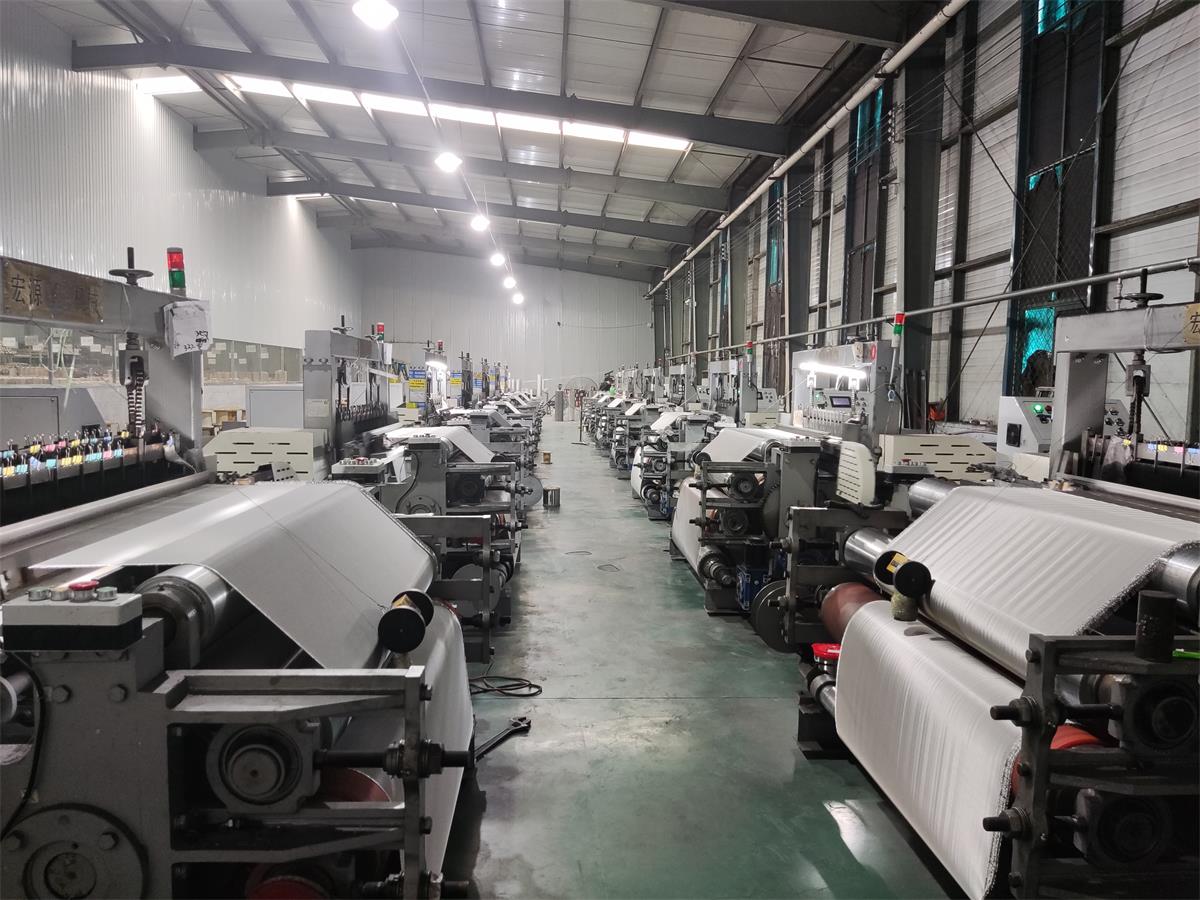
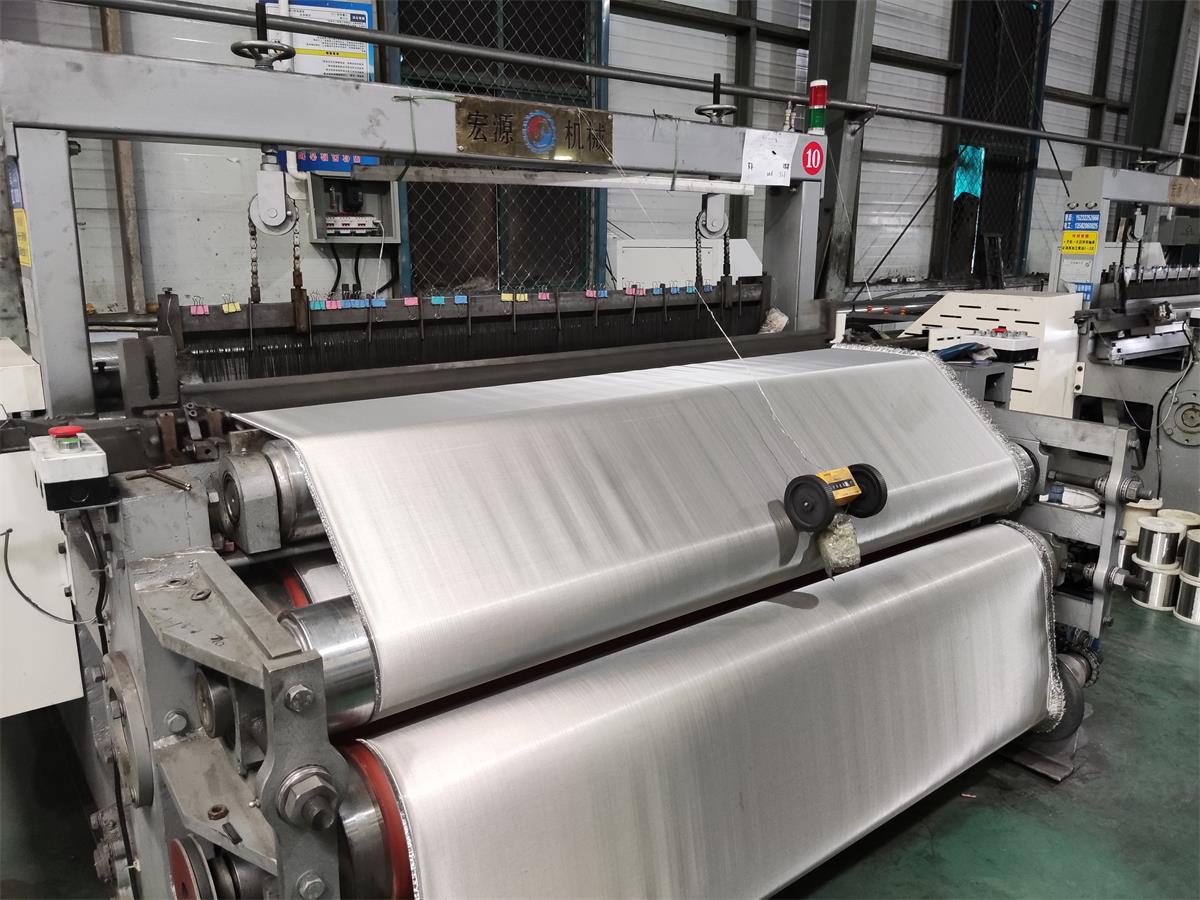
We assigned two dedicated looms in Workshop 2 exclusively to Sarah’s orders. This meant the same looms were used for every production run, tension parameters were recorded and locked, and every maintenance event and calibration was logged.
Three In-Process Inspections
Instead of relying only on final inspection, we built quality checks into the production process:
First inspection: first-piece inspection after loom setup – confirming opening and wire diameter before production begins
Second inspection: sampling every 500 meters – ensuring parameters have not drifted over time
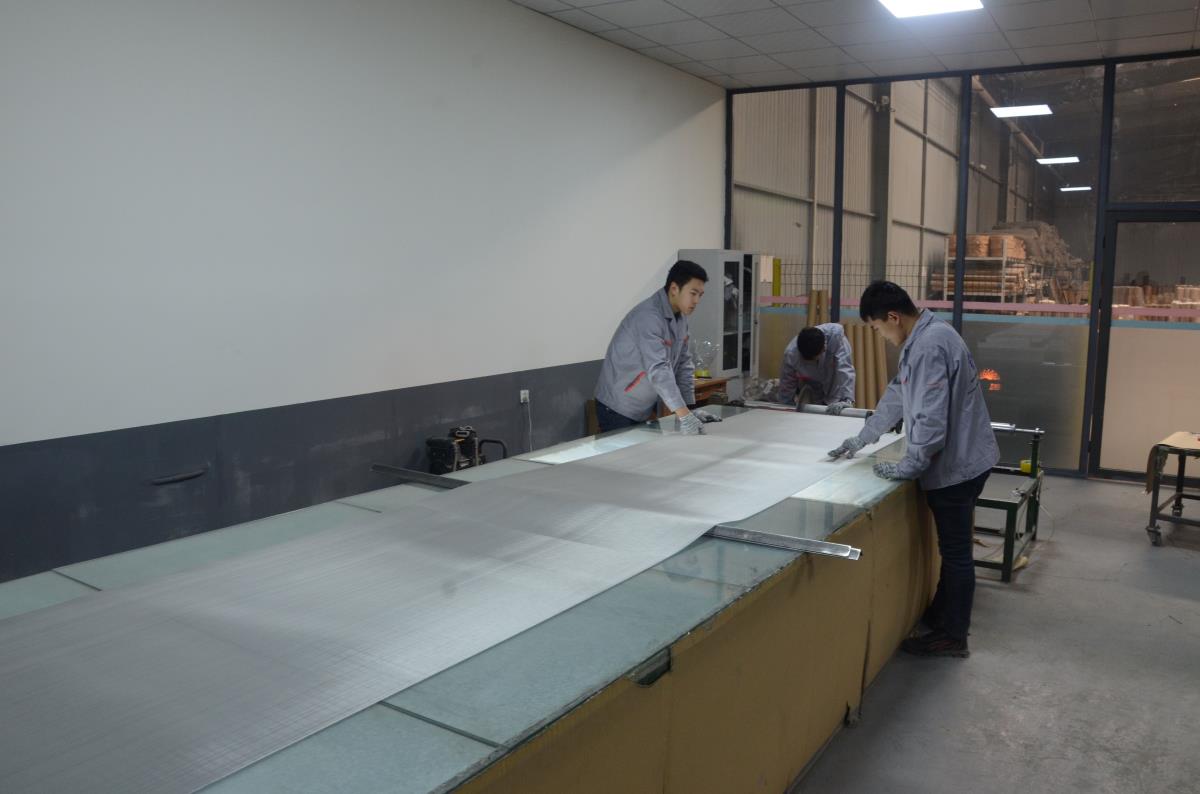
Third inspection: 100% final inspection – measuring openings at three positions (left, center, right) on every single roll
Traceability Label on Every Roll
Every roll of stainless steel mesh we shipped to Sarah was labeled with production date, loom number, operator signature, opening measurements at three positions, and wire diameter measurement. All this data was also stored in our internal system for future reference.
Part 4: The Results the Customer Achieved
Sarah performed internal testing on the first sample batch. It passed. She placed a small trial order of 500 square meters. We delivered on time. She tested again. Everything passed.
Here is the three-month data comparison:
| Parameter | Previous Supplier | Hightop |
| Opening variation | ±0.015–0.020mm | ±0.005mm |
| Batch-to-batch consistency | Unstable – visible differences | Stable – no visible differences |
| Customer complaint rate | Approximately 8.5% | Approximately 2.5% |
| Incoming inspection time | 100% (~20 min/roll) | Sampling (~5 min/roll) |
The complaint rate dropped from 8.5% to 2.5% – a reduction of more than 70%.
But the numbers only tell part of the story. Here is what Sarah wrote after receiving her third batch:
“The first three batches from Hightop were identical. My QA team stopped full inspection after the second batch. That’s never happened with any of our China suppliers. I finally have a supplier I don’t have to constantly worry about.”
When a customer stops worrying and starts trusting, you are no longer just a vendor. You are a partner.
Part 5: What This Case Demonstrates About Hightop Group
This case did not happen because our price was low. In fact, our price was 5% higher than Sarah’s previous supplier.
Here is what actually won the business:
- We deliver batch-to-batch consistency as a core capability
Not a verbal promise. Not a slogan. But guaranteed by dedicated looms, in-process inspections, recorded data, and traceability labels. - We replace price negotiation with technical dialogue
We took the time to diagnose the root cause before quoting. We sent a diagnostic report, not a price sheet. This made Sarah see us as a technical partner, not just a seller. - Our traceability system saves customers money
Sarah’s QA team went from 100% inspection to sampling. That saved them time, labor, and money – a concrete benefit that justified our higher price.
Part 6: Does Your Application Have Similar Requirements?
316L stainless steel woven mesh is used far beyond hydraulic filtration:
Chemical filtration – corrosion resistance and precise opening control
Food and beverage filtration – sanitary grade requirements
Pharmaceutical filtration – GMP compliance and full traceability
Gas filtration – high precision and consistent flow characteristics
Water treatment – durable, corrosion-resistant mesh for long-term use
If your application requires any of the following, we should talk:
✅ Tight opening tolerances
✅ Batch-to-batch consistency you can verify
✅ Complete traceability records from loom to label
✅ Technical response within 24 hours
Part 7: How to Work With Us
We do not send price sheets to everyone who asks. That is not how we build long-term relationships.
Here is what happens when you contact us:
- You tell us about your application – mesh size, material, environment, and the problem you are solving
- We ask technical questions to confirm whether we can actually help you
- If we can help, we propose a sample plan – usually with two approaches, so you can compare
- If we cannot help, we tell you directly – and sometimes suggest who might be a better fit
This approach is slower than sending a price sheet. But it leads to better outcomes for both sides.
Ready to start a conversation?
Hightop Group
China Professional Metal Wire Mesh Manufacturer | ISO 9001:2015 | ASTM E2016
Three workshops · Three managers with approximately 20 years of experience each · 24-hour response commitment
We look forward to earning your trust – one batch at a time.
Get Quote
We would like to hear from you. Please get in touch with us by filling out the contact form below, we will get back to you shortly.

Comments are closed.