



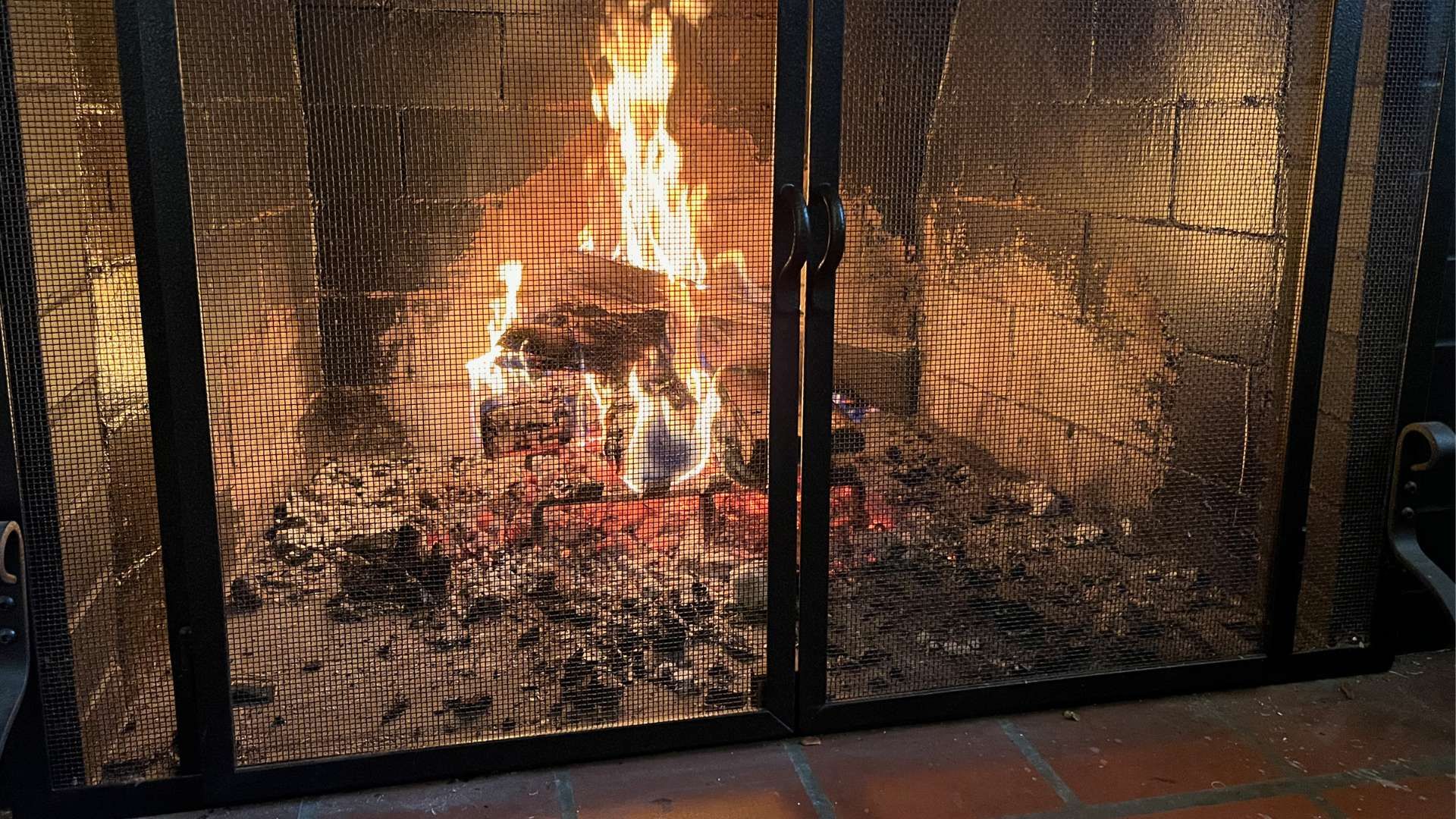
In the demanding landscape of modern industrial processing, standard materials often hit a physical “wall.” When operating temperatures climb above 600℃(1112℉), the selection of woven wire mesh shifts from a routine procurement task to a critical engineering decision. Choosing the wrong alloy doesn’t just lead to mesh failure—it leads to costly downtime, product contamination, and potential safety hazards.
This comprehensive guide explores the metallurgy, selection criteria, and strategic applications of high-temperature alloys like Inconel, Hastelloy, and specialized Stainless Steels, ensuring your operations remain resilient in the face of extreme heat.
1. The Physics of Failure: Why Standard Stainless Steels Fall Short
To understand why high-temperature alloys are necessary, we must first look at what happens to common materials like SS304 or SS316 at elevated temperatures.
Around 425℃, standard stainless steels begin to undergo sensitization, where chromium carbides precipitate at the grain boundaries. This depletes the surrounding areas of chromium, destroying the material’s ability to form a protective oxide layer. By 600℃, the “creep” phenomenon—the tendency of a solid material to move slowly or deform permanently under the influence of persistent mechanical stresses—becomes a dominant threat.
In contrast, superalloys are engineered to maintain their mechanical integrity and resist oxidation through the formation of a stable, adherent surface oxide scale.
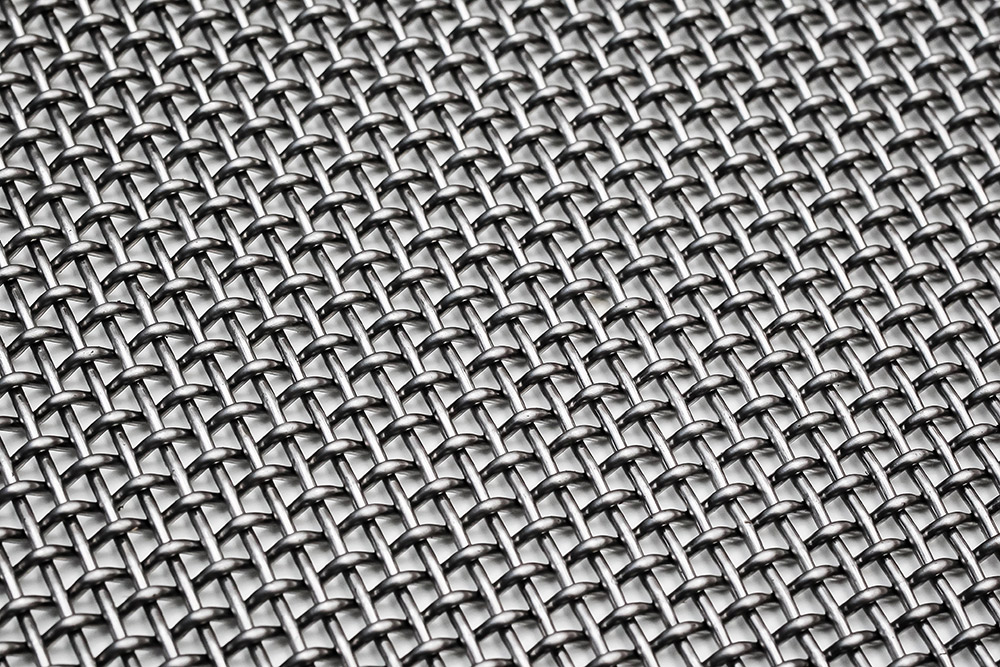
2. Navigating the Superalloy Map: Inconel vs. Hastelloy vs. Others
When your application exceeds the limits of Grade 310S Stainless Steel (the highest-rated standard heat-resistant steel), you enter the realm of Nickel-based superalloys.
Inconel: The Oxidation Specialist
Inconel alloys, particularly Inconel 600, 601, and 625, are the “gold standard” for thermal processing.
Inconel 601 is uniquely distinguished by its addition of aluminum. This allows it to form a extremely tenacious oxide scale that resists spalling (flaking off) even under severe thermal cycling. It is the premier choice for industrial furnace baskets and catalyst support grids.
Maximum Service Temperature: Up to 1100℃(2012℉)in oxidative environments.
Hastelloy: The Corrosion-Heat Hybrid
While Inconel excels in pure heat, Hastelloy (such as Hastelloy X or C-276) is designed for “dirty” heat. If your high-temperature process involves flue gases, chlorides, or reducing atmospheres, Hastelloy is the superior candidate.
Hastelloy X offers an exceptional balance of oxidation resistance and high-temperature strength. It is widely used in gas turbine components and petrochemical transition liners.
Maximum Service Temperature: Up to 1200℃(2192℉).
Monel: A Common Misconception
A frequent error in procurement is the request for Monel 400 in high-heat scenarios. While Monel is a masterpiece of corrosion resistance (especially in sea water), its strength drops sharply above 450℃. For the purpose of this guide, Monel should be reserved for sub-400℃ chemical applications.
3. Critical Technical Specifications for High-Heat Mesh
Selecting the alloy is only half the battle. You must also define the physical architecture of the woven wire mesh to ensure performance.
Mesh Count and Wire Diameter
In high-temperature environments, the wire diameter plays a dual role. Thicker wires provide a higher “thermal mass,” which can improve longevity against oxidation. However, thicker wires reduce the Open Area (%), which can restrict airflow in burners or filtration efficiency in reactors.
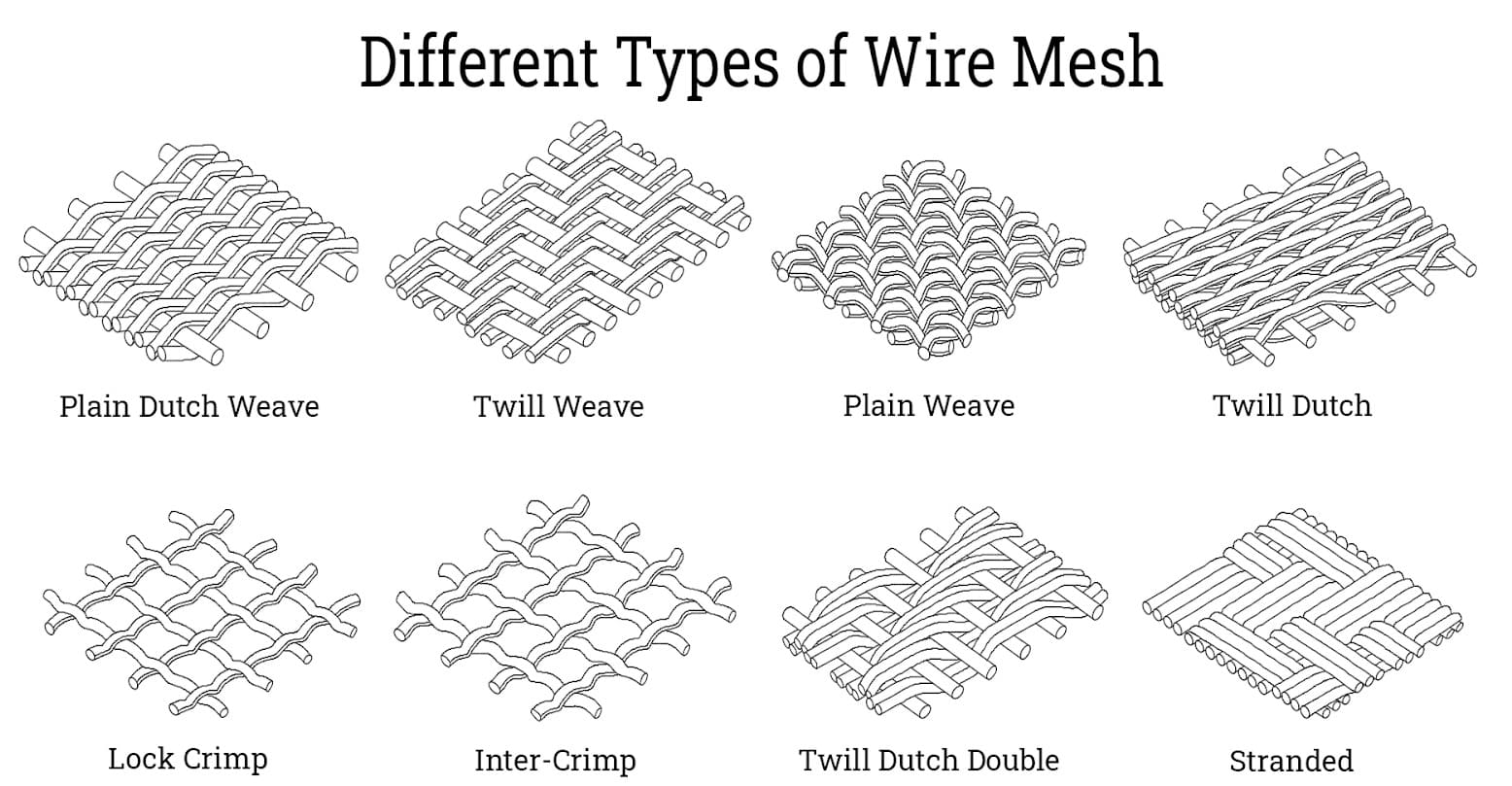
The Weave Type: Plain vs. Twill vs. Dutch
Plain Weave: The most common. Best for general airflow and heat distribution.
Dutch Weave: Used for high-pressure filtration. In high-heat scenarios, Dutch weaves provide superior mechanical strength due to the density of the wires.
Thermal Expansion Considerations
Metals expand when heated. If a High-Temperature Woven Wire Mesh is tightly framed in a different material (e.g., a 304 frame for an Inconel 601 mesh), the differing Coefficients of Thermal Expansion (CTE) will cause the mesh to buckle or tear. Always ensure the frame and mesh have compatible expansion rates.
4. Key Applications in Extreme Environments
Petrochemical & Refineries
In catalytic cracking units, wire mesh must withstand both heat and the abrasive force of flowing catalysts. Hastelloy C-276 is often employed here due to its resistance to pitting and stress-corrosion cracking.
Aerospace and Power Generation
From gas turbine exhaust liners to heat shields, mesh provides a lightweight yet durable barrier. The high strength-to-weight ratio of Inconel 625 makes it the primary selection for these high-vibration, high-heat zones.
Heat Treatment & Glass Manufacturing
Conveyor belts and quenching baskets made of 310S or Inconel 601 allow for consistent airflow around parts during annealing processes, ensuring uniform material properties in the final product.
5. Quality Assurance: How to Verify High-Value Alloys
Because Inconel and Hastelloy are significantly more expensive than stainless steel, the risk of “material substitution” by unscrupulous suppliers is a real concern.
MTC (Mill Test Certificate): Ensure the MTC is “Heat Traceable,” linking the specific roll of mesh back to the original melt of the alloy.
PMI (Positive Material Identification): A professional exporter should provide PMI testing using X-ray fluorescence (XRF) analyzers. This confirms the percentage of Nickel (Ni), Chromium (Cr), and Molybdenum (Mo) in the final woven product.
Visual Inspection: High-temperature alloys often have a different “luster” and stiffness compared to 304/316.
6. Strategic Procurement: The “Total Cost of Ownership.”
While the initial price of Inconel 601 mesh might be 5–8 times higher than SS304, the Total Cost of Ownership (TCO) is often lower.
Longevity: An Inconel mesh may last 24 months where an SS304 mesh fails in 3 weeks.
Downtime Cost: If replacing a failed mesh requires a 48-hour furnace cooldown and restart, the labor and energy loss far outweigh the material cost.
7. Frequently Asked Questions
Q1: What is the highest temperature a wire mesh can withstand?
For continuous service in oxidative atmospheres, Hastelloy X or Inconel 601 can operate near 1100℃ to 1200℃. Beyond this, you may need to look into specialized refractory metals or ceramic fibers.
Q2: Is 310S Stainless Steel considered a “High-Temperature Alloy”?
Yes, 310S is an “entry-level” heat-resistant steel. It contains high chromium and nickel to resist oxidation up to 950℃ (1742℉), but it lacks the creep strength of Inconel in higher ranges.
Q3: How do I prevent my high-temperature mesh from sagging?
This is usually a Creep Strength issue. Increase the wire diameter or add support ribs made of the same alloy to the underside of the mesh area.
Q4: Can I weld Inconel mesh to a Stainless Steel frame?
Technically, yes, using specialized filler metals like ERNiCr-3. However, be wary of the different thermal expansion rates, which may lead to weld cracking during cooling.
Conclusion
Success in high-temperature applications requires moving beyond “commodity” thinking. By understanding the metallurgical nuances between Inconel, Hastelloy, and 310S, you can engineer a solution that maximizes uptime and safety.
As a leading Chinese exporter of technical wire mesh, we specialize in providing certified, high-precision weaving for the world’s most demanding industries. Whether you need a single custom-cut disc or a bulk industrial roll, ensuring the right alloy is our priority.
Contact our team today for a technical consultation on your next high-heat project.
Get Quote
We would like to hear from you. Please get in touch with us by filling out the contact form below, we will get back to you shortly.

Comments are closed.