



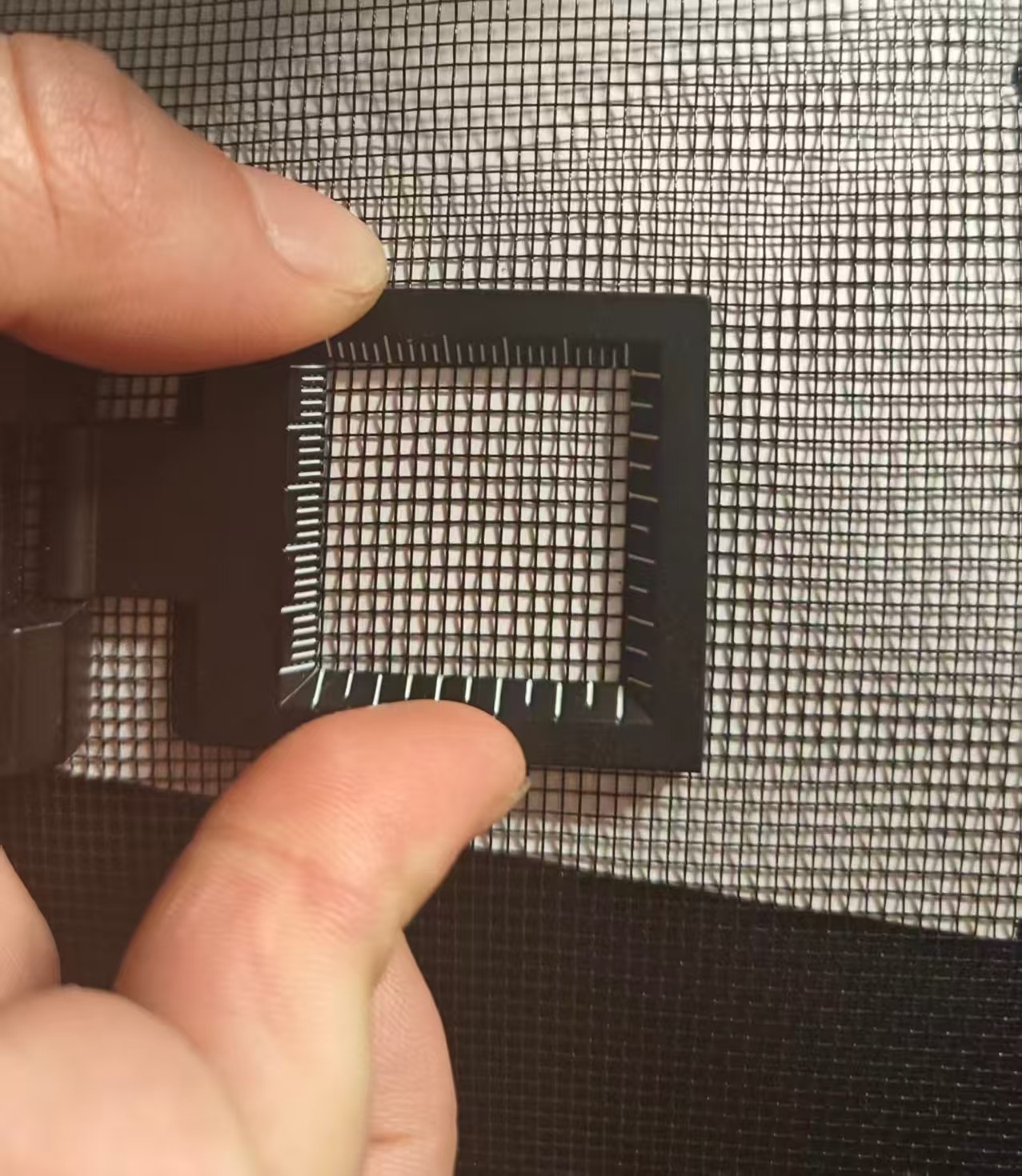
Customer Background: An industrial filtration equipment manufacturer in Germany. End use: corrosive gas filtration in chemical plants.
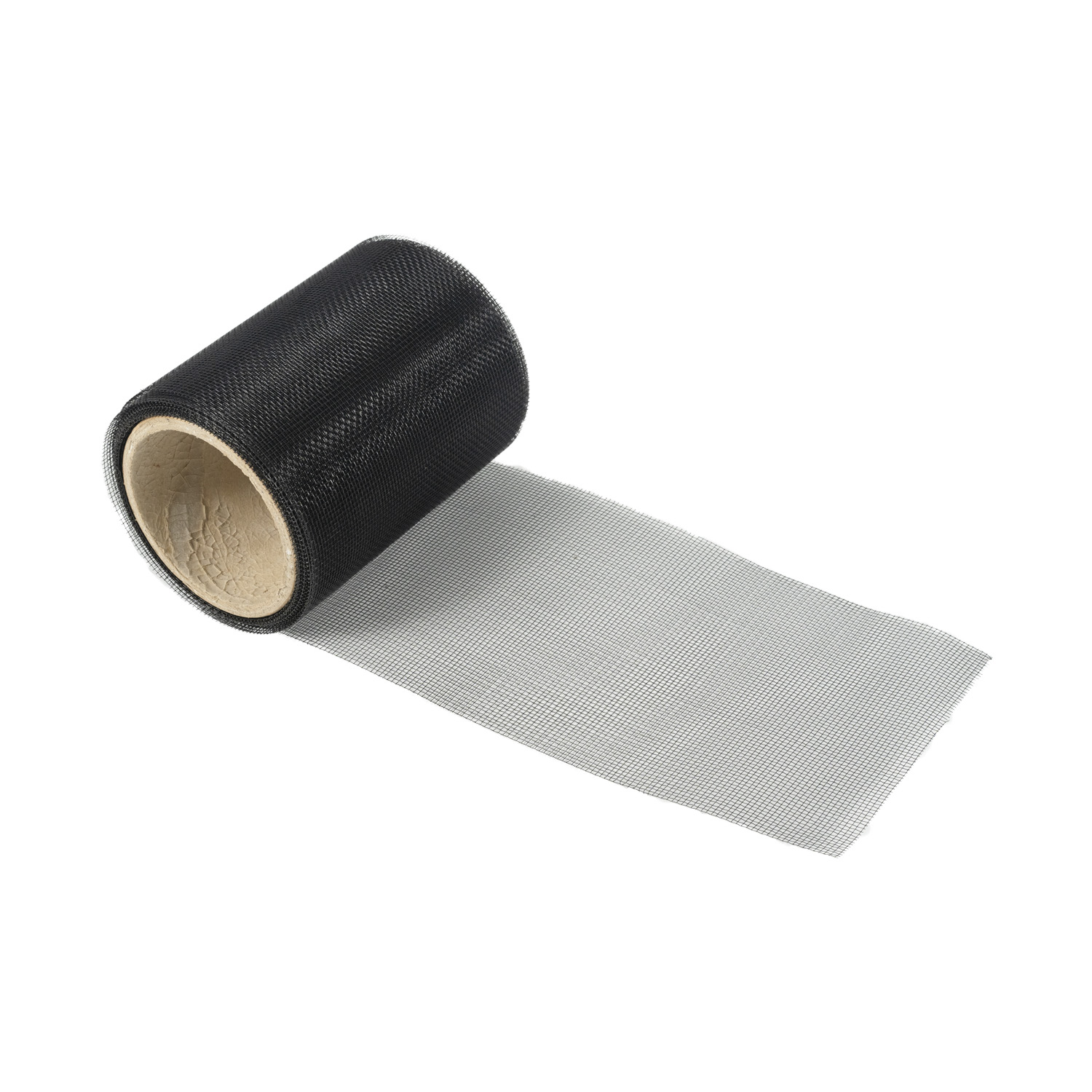
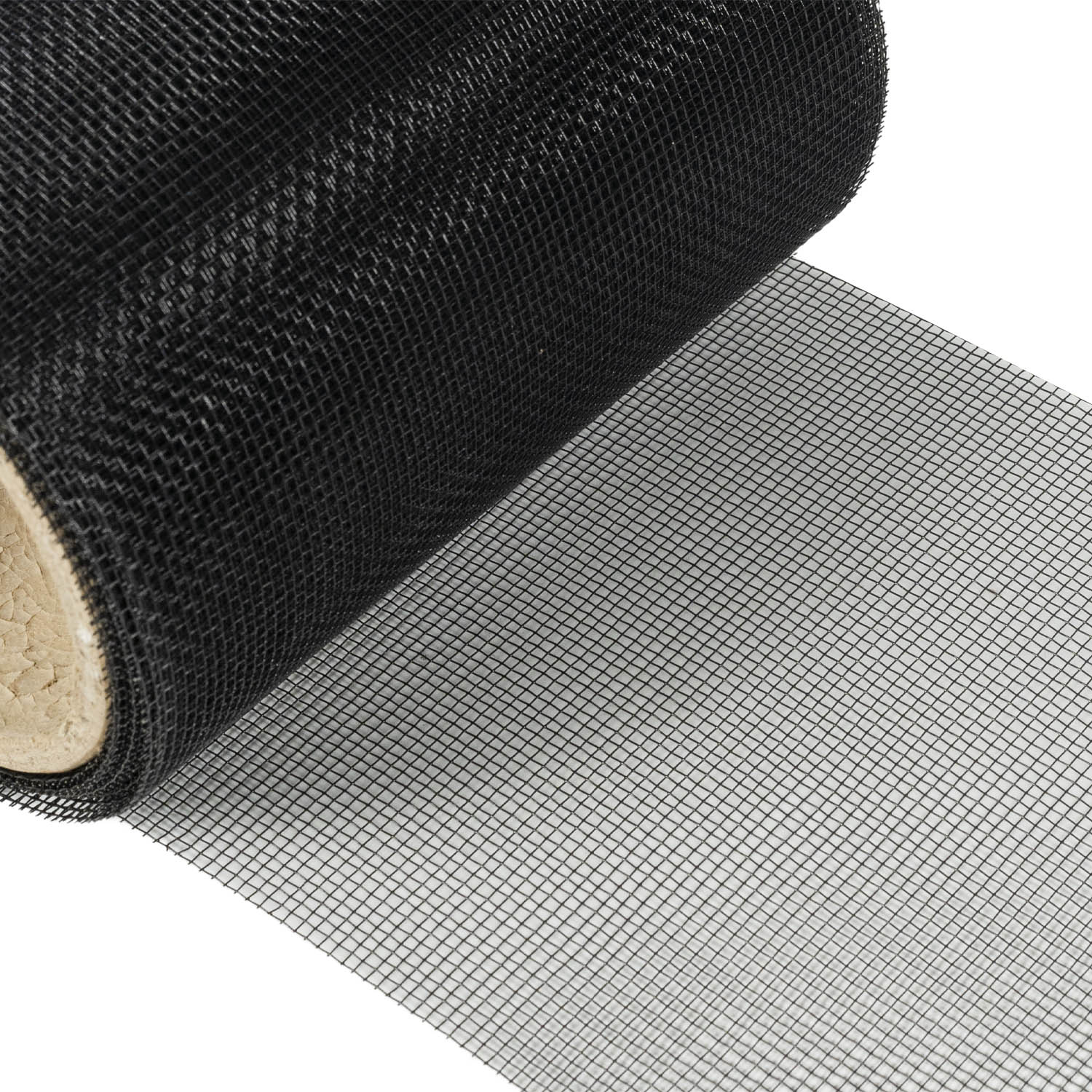
Product: Aluminum epoxy coated wire mesh (0.5mm aperture, coating thickness uniformity required within ±5μm)
Part 1: The Hidden Pain When the Customer Found Us
In September 2024, German Purchasing Manager Mr. Schmidt contacted us via LinkedIn. At first glance, he didn’t seem urgent. He had been with an Eastern European supplier for two years. Pricing was acceptable. Delivery was on time. On the surface, everything seemed fine.
But beneath the surface, a problem was growing.
Over three consecutive batches, he observed the same issue: locally thin epoxy coating, exposing the aluminum substrate, leading to pitting corrosion in a chemical environment. This wasn’t a one-time fluctuation. It was a pattern. And in filtration applications, a single point of failure can compromise an entire system.
What made it worse was the supplier’s response. Every time he raised the issue, it took them 5 to 7 days to reply. When they did reply, they could not provide complete coating thickness test records. They said “we will check,” but no data ever came. They promised “next batch will be better,” but the next batch showed the same variation.
Mr. Schmidt was trapped. Switching suppliers meant requalification – new samples, new testing, new approval from his own customers. That takes time and carries risk. Staying meant continuing to accept inconsistent quality and slow responses.
He said something I still remember clearly:
“I’m not looking for the cheapest product. I’m looking for a supplier who lets me sleep well at night.”
That was the moment we knew this wasn’t about price. It was about trust, consistency, and accountability.
Part 2: The First Thing We Did – Not a Quote, But a Diagnosis
Most suppliers respond to a potential customer with a price sheet. That’s the standard approach. But we didn’t do that. Sending a price before understanding the problem is like giving a prescription before a diagnosis.
Instead, we asked Mr. Schmidt to send us two things:
Problem samples from his last rejected batch
His written quality acceptance standards
Once we received the samples, our technical team got to work. This team includes all three of our workshop managers, each with approximately 20 years of experience in wire mesh weaving and welding. They don’t guess. They measure.
Here is exactly what they did:
Step 1 – Microscopic inspection
They measured coating thickness at 12 points across the mesh surface. The results showed variation of ±12μm, far exceeding the customer’s ±5μm specification. More importantly, the thin spots were not random – they consistently appeared in the same areas.
Step 2 – Root cause analysis
The team identified the most likely cause: uneven surface preparation before coating. When aluminum mesh is not properly cleaned and roughened before spraying, epoxy does not adhere uniformly. Some areas get a full coat. Others get barely any. Over time, those thin spots corrode.
Step 3 – Proposed a benchmark solution
We told him how we would solve it. Three days after receiving his samples, we shipped two sets of samples:
Group A: Our standard process, meeting ASTM E2016
Group B: An enhanced process with an additional surface roughening step
The key point: We offered a choice based on comparison. That gave Mr. Schmidt confidence that we understood his application and weren’t hiding behind a single “good enough” sample.
Part 3: How We Solved the Core Problem of Coating Thickness Consistency
The difficulty of aluminum epoxy mesh is not whether it can be made. Many factories can produce a few good rolls. The real challenge is whether every batch, every roll, every square meter is the same. Batch-to-batch consistency separates a reliable supplier from a gamble.
Here is what we did for Mr. Schmidt’s order.
1. Custom Spraying Fixtures
Most factories spray mesh on flat tables without fixturing. The mesh shifts. Overlaps happen. Some areas get double coating; others get missed entirely.
We took a different approach. Each mesh size has its own custom-designed fixtures that hold the mesh flat and taut during spraying. The mesh does not move or overlap. The spray nozzle passes over every area exactly once, at exactly the same distance. This one change alone reduced coating variation by more than 50%.
2. Two Spray Coats Plus Intermediate Curing
A single coat of epoxy is never enough for demanding applications. We use a two-coat system:
First coat (primer) : Applied thin for adhesion, not thickness
Intermediate curing: Time and temperature logged for every batch
Second coat (topcoat) : Provides final thickness and corrosion protection
This two-coat system is far more reliable than a single thick coat, which is prone to cracking and unevenness.
3. 100% Inspection, Not Sampling
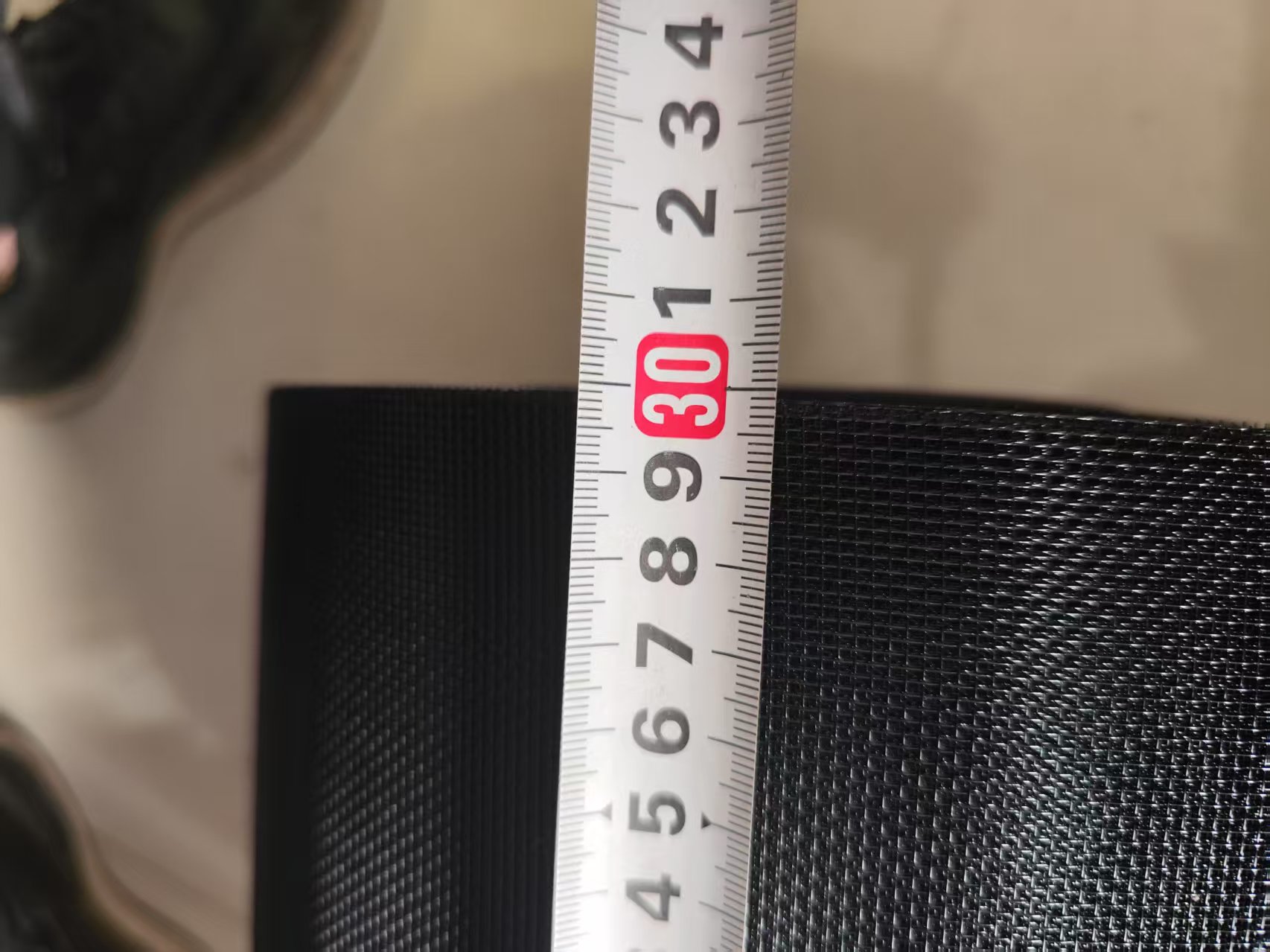
For every single roll, we measure coating thickness at three positions – left edge, center, and right edge. Each measurement is recorded. If any roll fails at any position, it is set aside for rework or rejection. It never ships to the customer.
4. Traceability Label on Every Roll
Every roll we shipped had a label showing: production date, spraying batch number, inspector’s signature, coating thickness values at all three positions, and mesh specifications.
Mr. Schmidt told us later:
“You are the first supplier I’ve ever seen who writes the thickness data on the label. I don’t have to go looking for a certificate. It’s right there on the roll.”
That label is not just a sticker. It is a promise that we stand behind what we ship.
Part 4: The Results the Customer Achieved
After two rounds of sample testing and a trial order of 500 square meters, Mr. Schmidt made his decision. He terminated the relationship with his Eastern European supplier and transferred 80% of his aluminum epoxy mesh orders to us.
Here is the direct data comparison:
| Parameter | Previous Supplier (last 3 batches) | Hightop (trial order) |
| Coating thickness variation | ±12–15μm | ±4μm |
| Batch-to-batch consistency | Unstable | Stable – no visible difference |
| Complaint response time | 5–7 days | Within 24 hours |
| Traceability | No batch records | Individual label per roll |
| First-pass yield | ~82% | 97% |
The improvement was dramatic. But what mattered more than the numbers was Mr. Schmidt’s own words:
“The consistency of your second batch matched the first batch perfectly. This is what we’ve been looking for. We can finally stop inspecting every roll and start trusting the shipment.”
That last sentence is the real win. When a customer stops inspecting and starts trusting, you are no longer just a supplier. You are a partner.
Part 5: What This Case Demonstrates About Hightop Group
This case did not happen because our price was low. In fact, our quote was 8% higher than his previous supplier. Price was never the deciding factor.
Here is what actually won the business:
- We treat batch-to-batch consistency as a core capability– For every order, we retain raw material certificates, in-process inspection records, final inspection data, and batch traceability logs.
- We engage in technical dialogue instead of price negotiation– We asked for samples, performed a diagnosis, proposed solutions, and let the customer see we understood his problem before asking for his order.
- Our traceability system gives customers the confidence to switch suppliers– When a customer sees every roll has a label, every batch has a record, and every question gets a response within 24 hours, the perceived risk drops dramatically.
Part 6: Does Your Application Have Similar Requirements?
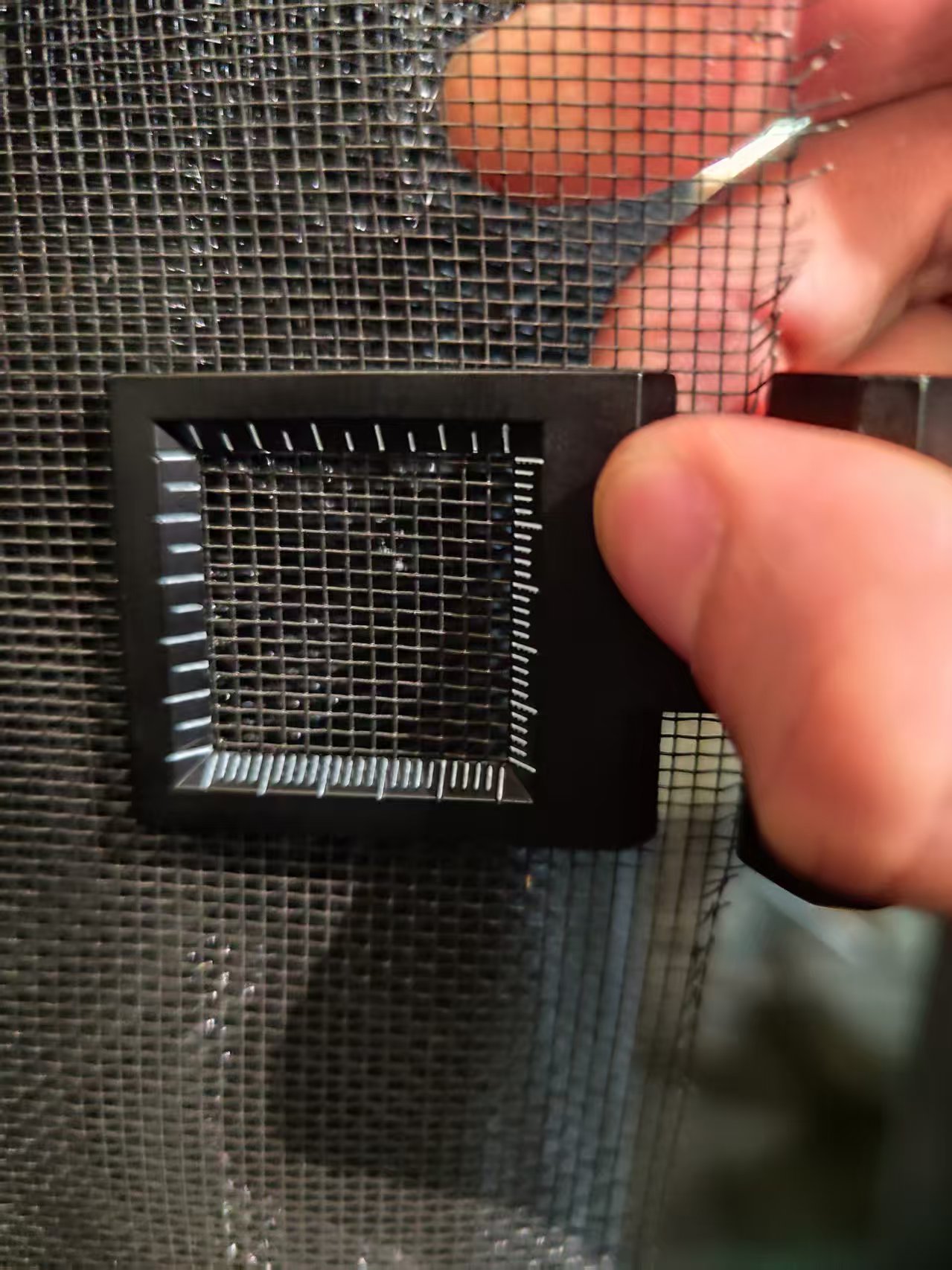
Aluminum epoxy mesh is used far beyond chemical filtration. Other common applications include:
Architectural facades – anti-corrosion decorative mesh
Food industry – non-stick coated mesh for baking lines
Marine environments – corrosion-resistant protective mesh
Pharmaceutical cleanrooms – epoxy-coated mesh for air filtration
Electronics manufacturing – anti-static coated mesh
If your application requires any of the following, we should talk:
✅ Coating thickness uniformity within tight tolerances
✅ Batch-to-batch consistency you can verify
✅ Complete traceability records
✅ Technical response within 24 hours
✅ A supplier who diagnoses before quoting
Part 7: How to Work With Us
We do not send price sheets to everyone who asks. That is not how we build long-term relationships.
Here is what happens when you contact us:
You tell us about your application – mesh, material, environment, problem
We ask technical questions – to confirm we can actually help
If we can help, we propose a sample plan – usually two approaches to compare
If we cannot help, we tell you directly
This approach is slower than sending a price sheet. But it leads to better outcomes for both sides.
Ready to start a conversation?
Hightop Group
China Professional Metal Wire Mesh Manufacturer | ISO 9001:2015 | ASTM E2016
Three workshops · Three managers with ~20 years of experience each · 24-hour response commitment
We look forward to earning your trust – one batch at a time.
Get Quote
We would like to hear from you. Please get in touch with us by filling out the contact form below, we will get back to you shortly.

Comments are closed.